

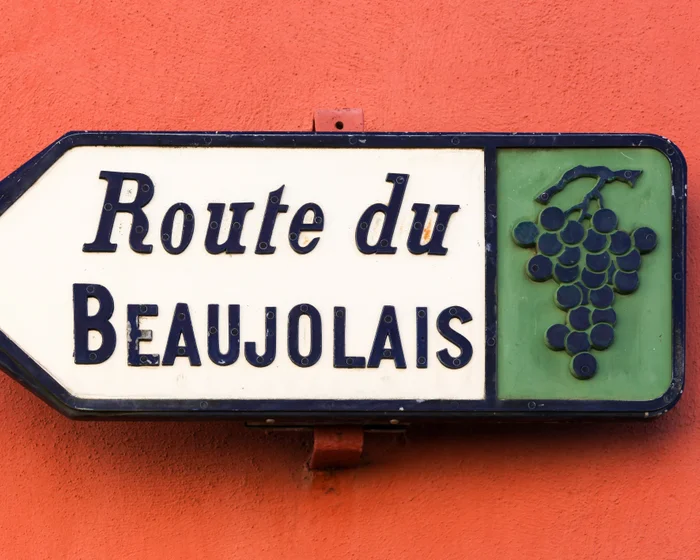
Beaujolais is enjoying something of a renaissance, with even much-maligned nouveau gaining ground thanks to the fashion for light, chilled, low-tannin reds
“Oh, it’s beaujolais. Fantastic!” My earliest memory of beaujolais isn’t of drinking it, but of saying it, on stage, as Beverley in a school production of Mike Leigh’s Abigail’s Party. Leigh wrote the play a few years into the British craze for beaujolais nouveau, the just-made, casual quaffing wine – historically destined for local consumption in France – that’s released on the third Thursday of every November. Sold cheaply, it landed beaujolais with an image that belied its extraordinary variety and quality. It was, says The Encyclopedia of Wine, “a self-administered cataclysm” on beaujolais’ part.
Nowadays, it’s common knowledge that there is more to beaujolais than beaujolais nouveau, from its most famous village crus, such as Fleurie, Morgon and Moulin-à-Vent, to higher-altitude, lesser-known villages that, amid the climate crisis, are now coming into their own. Beaujolais lies just south of Burgundy, in the Auvergne-Rhône-Alpes region, with mostly granite-based soils to the north (perfectly suited to the red gamay grape for which it is famous), and calcareous soils to the south (used to make its more elusive and underappreciated white wines, mostly from chardonnay).